Great exercises to do before and in between treatments
PNF / MYOFASCIAL STRETCHES
PNF or Proprioceptive Muscular Facilitation, is one of the most effective forms of flexibility training and optimizing motor performance and rehabilitation. PNF is widely used in athletic and clinical environments to enhance both passive and active Range of Motion (ROM).
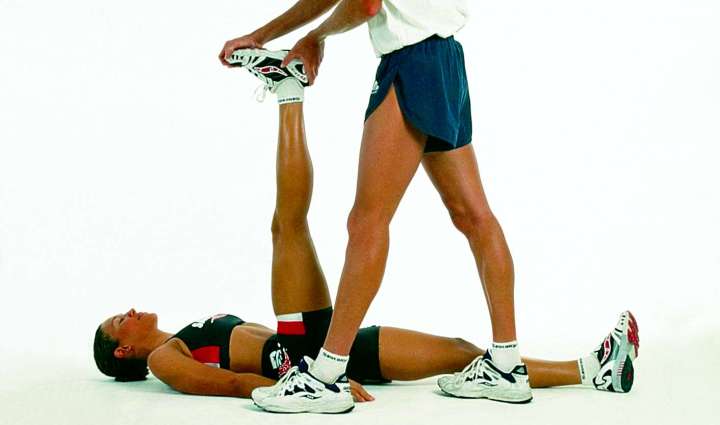
To execute the stretch, the athlete and their partner assume the position shown. The partner gently lengthens the athlete’s limb until the desired muscle stretch and tension are reached.
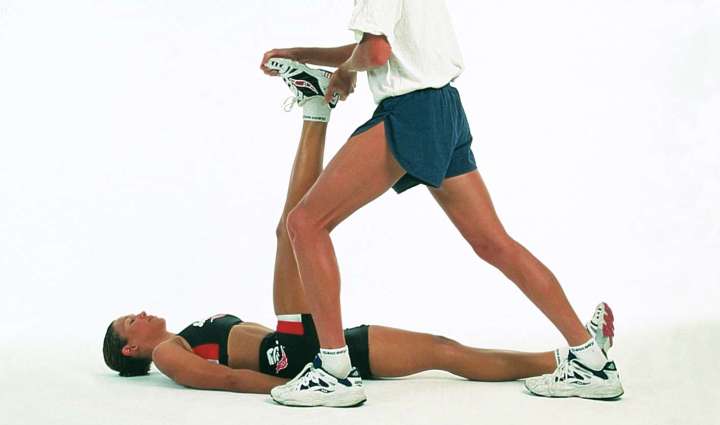
The athlete contracts the stretched muscle for 5–6 seconds while the partner ensures no movement occurs. Adjust the contraction force based on the muscle’s condition; avoid maximum contraction for smaller muscle groups or injured muscles.
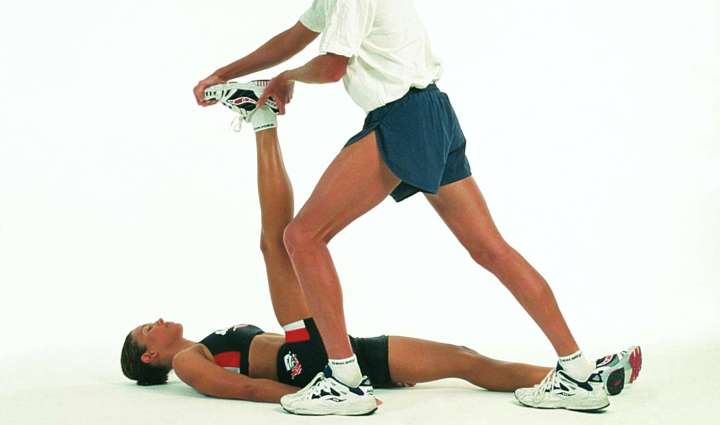
The athlete relaxes the muscle group, then immediately and carefully pushes past the normal range of movement for about 20 to 30 seconds. Allow 30 seconds recovery before repeating the procedure 2 – 4 times.
FLOSSING
How Does Nerve Flossing Provide Assistance?
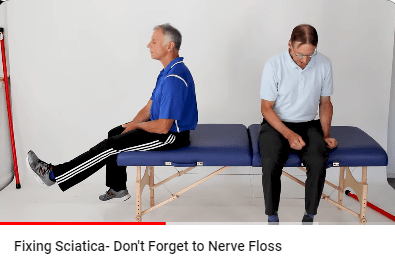
Nerve gliding involves applying specific directional tension to a nerve to encourage its natural movement within its protective sheath. This approach aids in the reduction of scar tissue and strain. Unlike traditional muscle stretches that pull on both ends of the tissue, nerve exercises consider the unique movement pattern of nerves. Think of it like a cord! Therefore, nerve flossing involves stabilizing one end of the nerve while gently moving a limb in a single direction to elongate the surrounding tissue. Additionally, nerve flossing can reset the nerve’s environment, potentially reducing pain signals to the brain. Stretching nerves has been found to promote better nerve health by dispersing tissue fluid, reducing intraneural swelling, and alleviating pressure.
Cervical Nerve Flossing
Sciatic Nerve Flossing
BREAKTHROUGH SPORTS THERAPY
1361 Francis Street Suite 102A
Longmont, Colorado 80501
(615) 479-1133
tbyarlay@gmail.com
 Breakthrough Sports Therapy